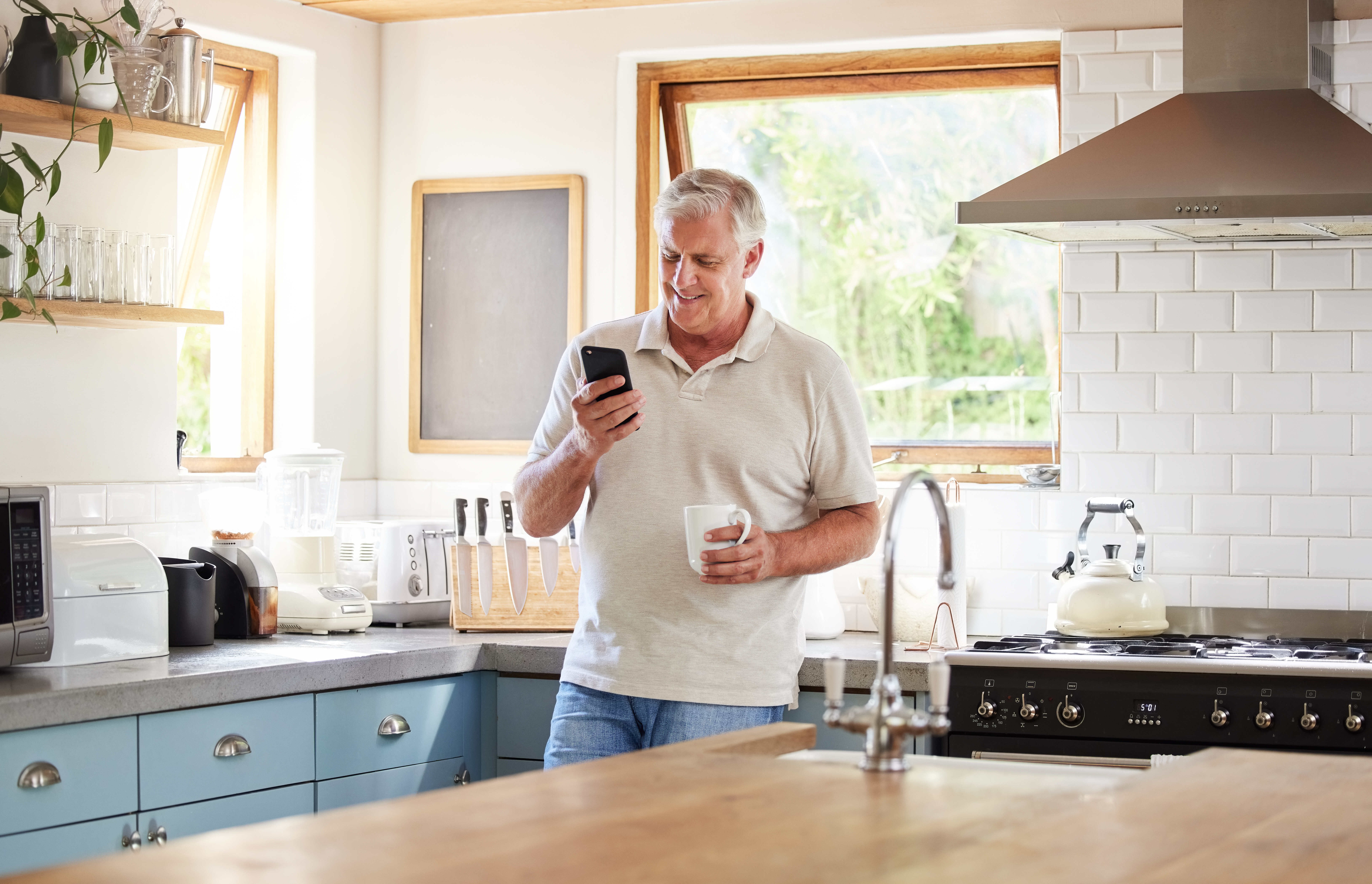
Most people know their electric bill is too high but have no idea which appliance, gadget, or habit is actually responsible for it. A new generation of energy tracking apps and connected devices is changing that, turning a single confusing number on your monthly statement into clear, specific information you can act on.
Why Your Utility Bill Is So Hard to Read
A traditional electric bill tells you how much energy your household used over an entire month and how much you owe, but it says almost nothing about where that energy went. Was it the air conditioner, the old refrigerator in the garage, the gaming console left in standby, or the electric water heater? Without that breakdown, most cost-cutting efforts are guesswork. People turn off lights religiously while a single inefficient appliance quietly consumes far more power in the background. This information gap is exactly what energy usage apps are designed to close. By measuring consumption more frequently and at a more detailed level, they reveal patterns that a monthly statement hides, such as spikes at certain times of day, appliances that run far more often than expected, and devices that draw power even when they appear to be off.
Start With the App You Already Have
Before buying any new hardware, check what your utility company already provides. Many utilities that have installed smart meters offer apps or online dashboards showing your usage by the day or even by the hour. These tools can reveal when your household uses the most power, how your consumption compares with previous months, and sometimes how you compare with similar homes nearby. Some utilities also send alerts when your bill is on track to be higher than usual, giving you a chance to adjust before the statement arrives. Many utilities support a standard called Green Button, which lets you download your usage data or share it with third-party apps for deeper analysis. Spending fifteen minutes exploring your utility’s portal is often the fastest way to discover whether your problem is a constant background load, a seasonal spike, or usage that peaks at expensive times of day.
Whole-Home Energy Monitors
For a much more detailed picture, whole-home energy monitors connect to your electrical panel and track power usage in real time. Sense and Emporia are two of the best-known options in this category. Sense uses sensors on your main electrical lines and software that attempts to identify individual appliances by their unique power signatures, gradually learning to recognize devices like your dryer, refrigerator, or well pump. Emporia’s Vue monitors can track individual circuits in your panel, offering precise data on specific rooms or appliances. Both connect to companion apps that show live usage, historical trends, and notifications when unusual consumption occurs. Installation involves working inside an electrical panel, so hiring a licensed electrician is the safe choice for most homeowners. These monitors are especially valuable in larger homes, homes with solar panels, or households with electric vehicles, where understanding detailed usage can lead to significant savings.
Smart Plugs for Device-Level Tracking
If you want to investigate specific devices without touching your electrical panel, smart plugs with energy monitoring offer an inexpensive entry point. These plugs sit between an outlet and an appliance and report how much power the device uses through a companion app. Brands such as Kasa offer models with built-in energy tracking. Plugging a monitoring smart plug into your entertainment center, home office setup, space heater, or that extra freezer in the basement can quickly reveal whether a device is a meaningful contributor to your bill. Many smart plugs also allow scheduling and remote shutoff, which makes it easy to cut power to devices automatically overnight or while you are away. Moving a single smart plug from device to device over a few weeks is a practical way to audit your home’s biggest plug-in consumers without a large upfront investment.
Finding the Hidden Energy Drains
Energy tracking tools frequently uncover the same culprits, and knowing what to look for helps you act faster on what your app reveals. Standby power, sometimes called phantom load, comes from devices that draw electricity even when they are switched off, including televisions, game consoles, cable boxes, chargers, and smart speakers. Individually these loads are small, but together they can add up to a noticeable portion of your bill. Older refrigerators and freezers are another common offender, particularly secondary units in garages where temperatures are extreme. Heating and cooling systems typically account for the largest share of household energy use, so a poorly programmed thermostat can outweigh every other change you make. Electric water heaters, pool pumps, and dehumidifiers also tend to run more than homeowners realize. Once your app points you toward a likely culprit, you can decide whether to change your habits, adjust settings, or replace the appliance.
Smart Thermostats and Time-of-Use Savings
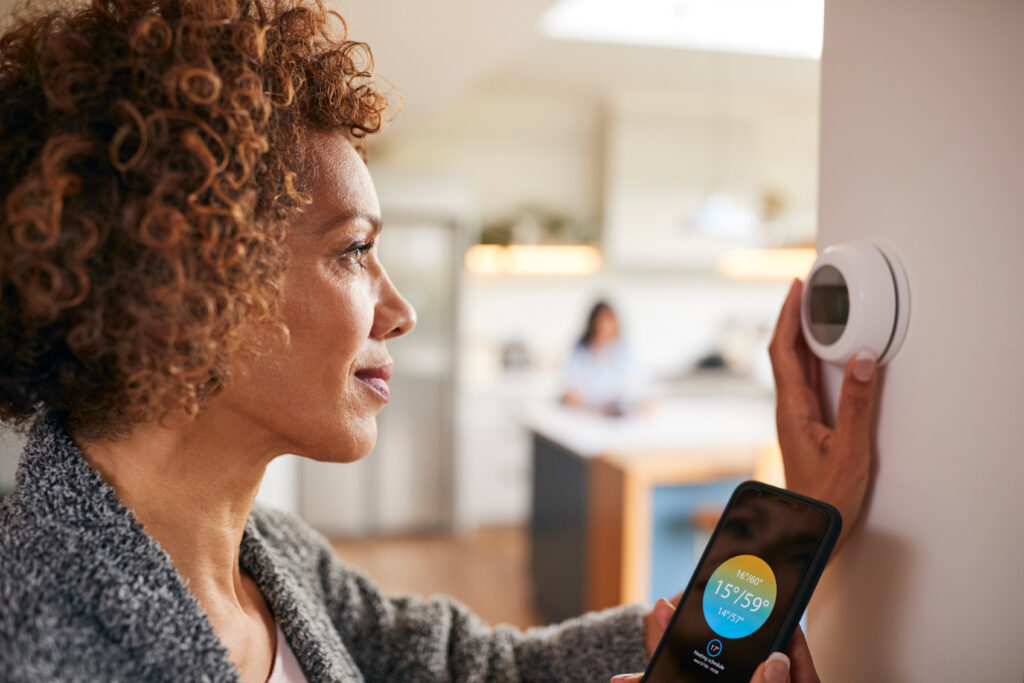
Because heating and cooling make up such a large share of energy costs, smart thermostats like ecobee and Google Nest are among the most effective energy apps you can use. They learn your schedule, adjust temperatures when you are away, and provide reports showing how much your system runs and why. Many utilities offer rebates for installing a qualifying smart thermostat, which can offset much of the purchase price. If your utility uses time-of-use rates, where electricity costs more during peak hours, energy apps become even more valuable. Shifting activities like running the dishwasher, doing laundry, or charging an electric vehicle to off-peak hours can lower your bill without reducing how much energy you use. Some programs, such as OhmConnect in certain markets, even reward households for reducing usage during periods of high demand on the grid.
Protecting Your Privacy While You Track
Energy data can reveal a surprising amount about daily life, including when you wake up, when you leave the house, and when nobody is home. Before connecting a monitor, smart plug, or third-party app to your utility account, take a few minutes to review what data the company collects, how long it keeps that information, and whether it shares or sells usage data to partners. Look for apps that let you delete your history and that secure your account with two-factor authentication. Keep the firmware on smart plugs and monitors updated, since connected devices that go unpatched can become weak points on your home network. It is also wise to check whether a device depends entirely on the manufacturer’s cloud service, because if that service is ever discontinued, the hardware may lose much of its usefulness. Choosing established brands with clear privacy policies lets you enjoy the savings without giving up more information than you intended.
Turning Data Into Real Savings
Energy data is only useful when it leads to action, and the most successful users follow a simple routine. A practical approach to getting results looks like this:
- Review your utility app first to identify your highest-usage times and seasons.
- Use a smart plug or whole-home monitor to find the specific devices behind those spikes.
- Fix the biggest problem first, whether that means adjusting a thermostat schedule or retiring an old appliance.
- Automate savings with schedules, smart plugs, and off-peak timing so good habits do not depend on memory.
- Check your monthly results and adjust as seasons and household routines change.
Stop Guessing and Start Measuring
Cutting your utility bill does not require sacrificing comfort or obsessively turning off every light. It requires knowing where your energy is actually going, and the right apps make that information easy to see. Start with your utility’s free tools, add a monitoring smart plug or two to investigate suspicious devices, and consider a smart thermostat or whole-home monitor if you want deeper insight. Within a few weeks, you will likely find at least one change that pays for itself, and every month after that becomes a little less of a mystery.